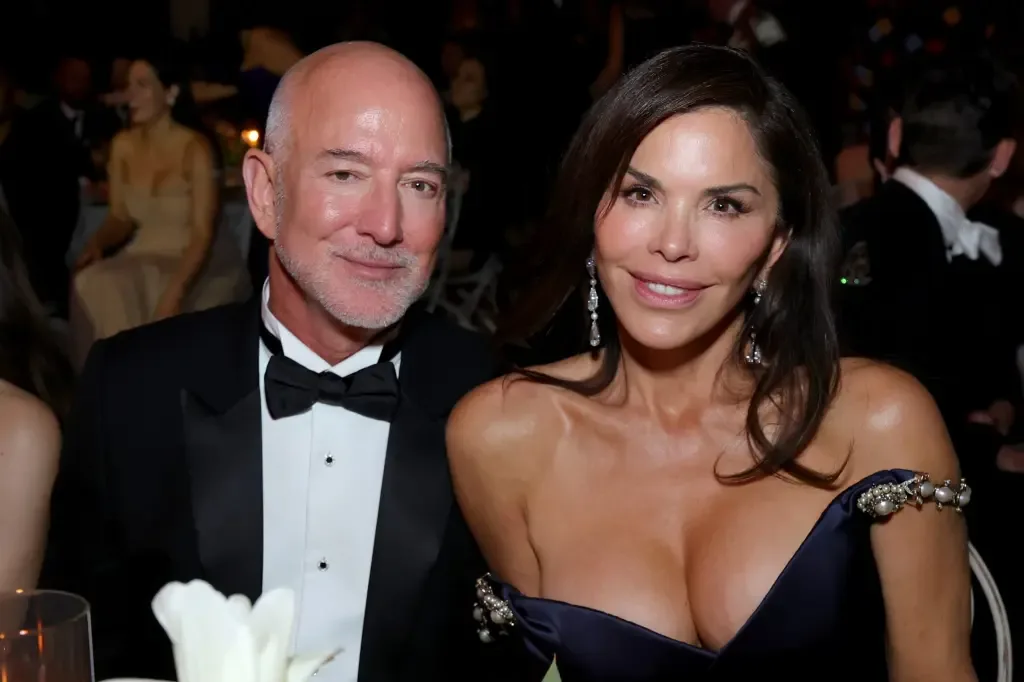
Jeff Bezos and Lauren Sánchez Bezos are putting another 100 million dollars behind a cause that has become a defining piece of their philanthropy: keeping species from disappearing entirely. The Bezos Earth Fund's latest commitment goes to a newly formed Species Recovery Alliance, launched October 16 at the UN's COP17 biodiversity conference in Yerevan, Armenia, where nine founding organizations pledged a combined 500 million dollars to the effort.
A Coalition Built Around Coordination, Not a Shared Pot
The alliance's founding members read like a cross-section of the conservation world: Leonardo DiCaprio's Re:wild, Rainforest Trust, the Colossal Foundation, the Critical Ecosystem Partnership Fund, Fondation Segré, the Franklinia Foundation, the Ayers Wild Cat Conservation Trust and WildLives Earth, alongside the Bezos Earth Fund itself. Rather than pooling their money into a single shared fund, the group plans to coordinate grants across organizations and track results using the IUCN Red List, the standard reference for how threatened a species actually is. The declared target is steep: more than 31,000 species currently sitting in the highest-risk categories, meaning endangered, critically endangered, or already extinct in the wild.
Cristián Samper, the Bezos Earth Fund's managing director, framed the gap the alliance is meant to close as one of money rather than know-how. "We know how to bring species back from the brink," he said. "What too many conservation teams lack is reliable funding."
A Second $100 Million Bet, Months Apart
This isn't the Earth Fund's only major species-focused commitment this year. In August 2026, it launched the Phoenix Species Project alongside Re:wild, a 200 million dollar effort split evenly between the two organizations and aimed at two specific animals under acute threat: Madagascar's golden-crowned sifaka and Australia's night parrot. Together, the two initiatives put roughly 200 million dollars of Bezos Earth Fund money into species recovery work inside a single year.
Where It Fits in the Larger Pledge
Both commitments are pieces of a much bigger number. Bezos launched the Earth Fund in 2020 with a pledge to give away 10 billion dollars by 2030, and the fund has now distributed roughly 2.4 billion dollars of that total, leaving more than 7 billion dollars still to move out the door over the next several years. Lauren Sánchez Bezos has talked about the species work in more personal terms than the balance sheet suggests. "Kids fall in love with animals before anyone tells them those animals are disappearing," she said, describing part of what draws her to the cause.
Governments Are Behind on Their Own Targets
The private funding push is arriving against a backdrop of public money falling short. Governments have pledged to reach 200 billion dollars a year in biodiversity funding by 2030, but actual annual spending has run between roughly 75 billion and 92 billion dollars from 2023 through 2025, less than half the target. Astrid Schomaker, a UN biodiversity official, put the shortfall bluntly: "We're not moving fast enough." That gap is effectively what private alliances like this one are being built to narrow, species by species, while government funding tries to catch up to the number it already promised.