
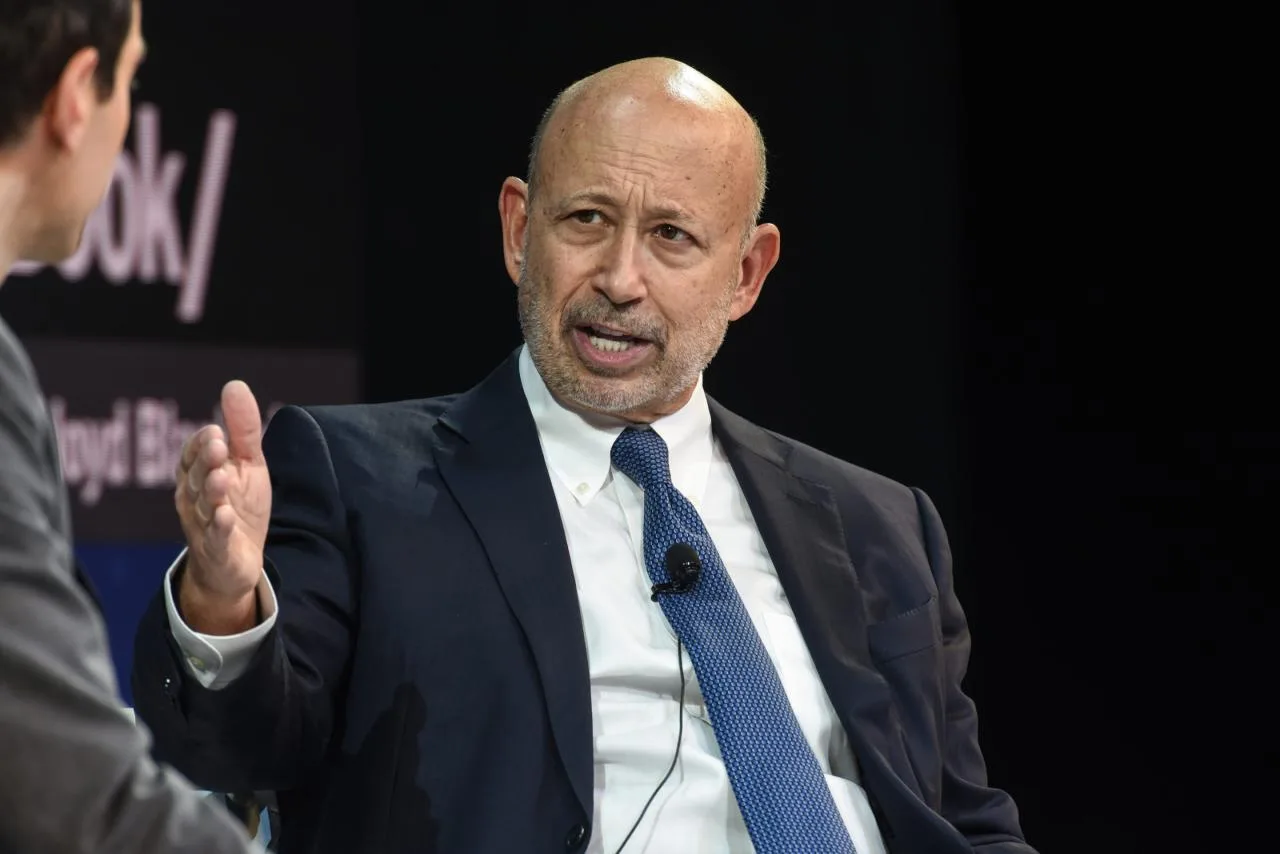
Lloyd Blankfein has heard the argument that college is a waste of time, and he is not buying it. The former chief executive of Goldman Sachs is pushing back against technology investors who have declared that a degree is an expensive relic. In Blankfein's view, the undergraduate years remain one of the best investments a young person can make.
In an excerpt from his memoir Streetwise, shared with Vanity Fair, Blankfein singled out billionaire investor Peter Thiel. "I strongly disagree with the technology investor Peter Thiel," he wrote. "To succeed in a career, you have to know the technical minutiae of your field, of course. But you also need to be a complete person, the kind of person other people want to engage with."
What college gave Blankfein
Blankfein is an alumnus of Harvard University and Harvard Law School. He has been open about the fact that he "survived" his undergraduate years more than he enjoyed them, but he still considers Harvard "the best place to have gone."
He credits the experience with building his confidence, sharpening his writing, deepening his love of history, and keeping him connected to current events. Those benefits, he argues, come from a broad liberal arts education rather than from any single class or credential. The social pressure, intellectual variety, and exposure to unfamiliar ideas are part of the value.
"Your undergraduate years are your best opportunity to make yourself uncomfortable in a way that can help make you more curious and interesting," Blankfein added. That discomfort, he suggests, is exactly what turns a narrow specialist into someone who can lead, sell ideas, and work across different kinds of people.
The anti-college camp
Blankfein's defense of college arrives as some technology leaders actively recruit young people away from campuses. Palantir, the data software company co-founded by Thiel, launched its Meritocracy Fellowship last spring. The four-month paid internship is open to recent high school graduates who are not enrolled in college. Fellows learn about Western history and work alongside Palantir employees on technical problems.
The program's pitch is direct: "get the Palantir degree" and "skip the debt, skip the indoctrination." Palantir chief executive Alex Karp has said the fellowship was created to address what he sees as failures in university admissions. The company's job posting argued that opaque admissions standards have displaced meritocracy and turned campuses into sources of extremism.