
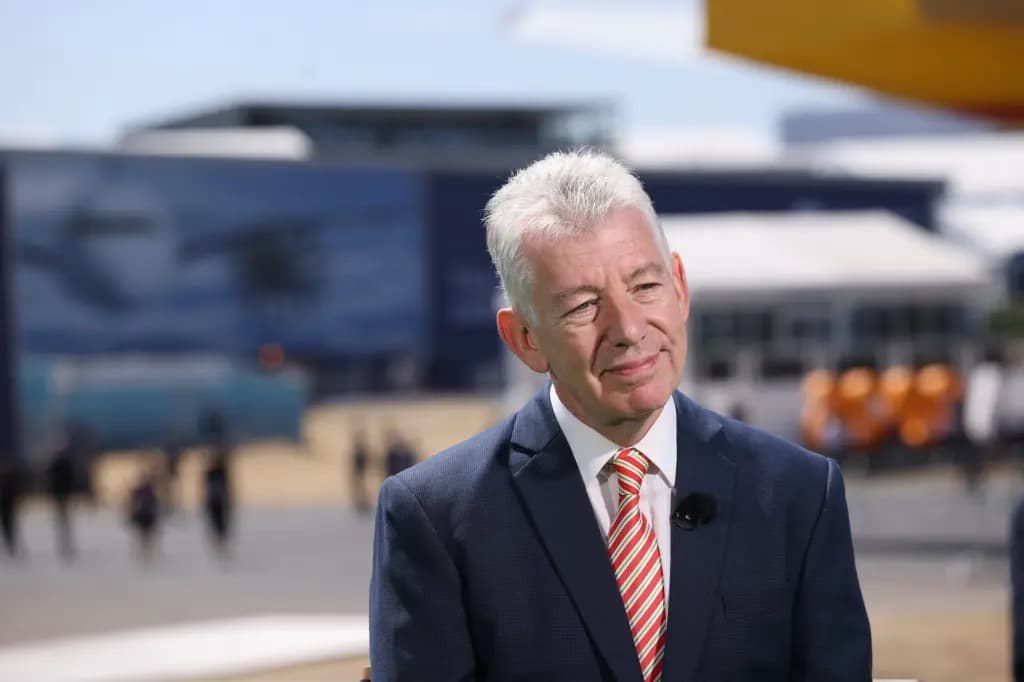
Dubai Airports CEO Paul Griffiths says the world's busiest airport for international passengers is on pace to fully recover by the end of 2026, following a sharp disruption earlier in the year. An Iran-related military conflict in early 2026 triggered roughly 111 separate ballistic missile alerts at Dubai International Airport, forcing temporary operational changes and passenger evacuations, and ultimately dragging first-half traffic down 31.3% year-over-year to 31.5 million passengers, versus a record 95.2 million for all of 2025.
A steady climb back
The recovery has been gradual but consistent. Monthly passenger volumes rose from 3.5 million in April to 5 million by June 2026, and both Emirates and flydubai are now operating at roughly 90% of their 2025 capacity. "My confidence level is not misplaced that we should be back to 100% of our operation by about the end of the year," Griffiths said. Aircraft movements and cargo volumes were also hit hard during the disruption, falling 32.1% and 28.7% respectively, though both are following the same recovery trajectory as passenger numbers. Fortune's full-year 2026 projection puts total passenger traffic at around 70 million.
Expansion plans stay on track
Despite the setback, Dubai's ambitions to remain a dominant global aviation hub haven't changed. The $35 billion Al Maktoum International Airport project is still on schedule to begin operations in 2032, with an eventual capacity target of 260 million passengers a year, a figure that would make it one of the largest airports in the world. For Griffiths, the current disruption looks like a temporary setback against a much longer-term bet on Dubai's position in global air travel.