
The global billionaire population reached a record 3,795 people in 2025, with their combined wealth climbing 12.8% year-over-year to $15.1 trillion, an amount equal to nearly a quarter of the entire S&P 500's market capitalization. Within that group, 29 individuals now qualify as "superbillionaires," with fortunes exceeding $50 billion each. AI-related investments were the single biggest driver of new wealth creation over the past year.
Where the money is landing
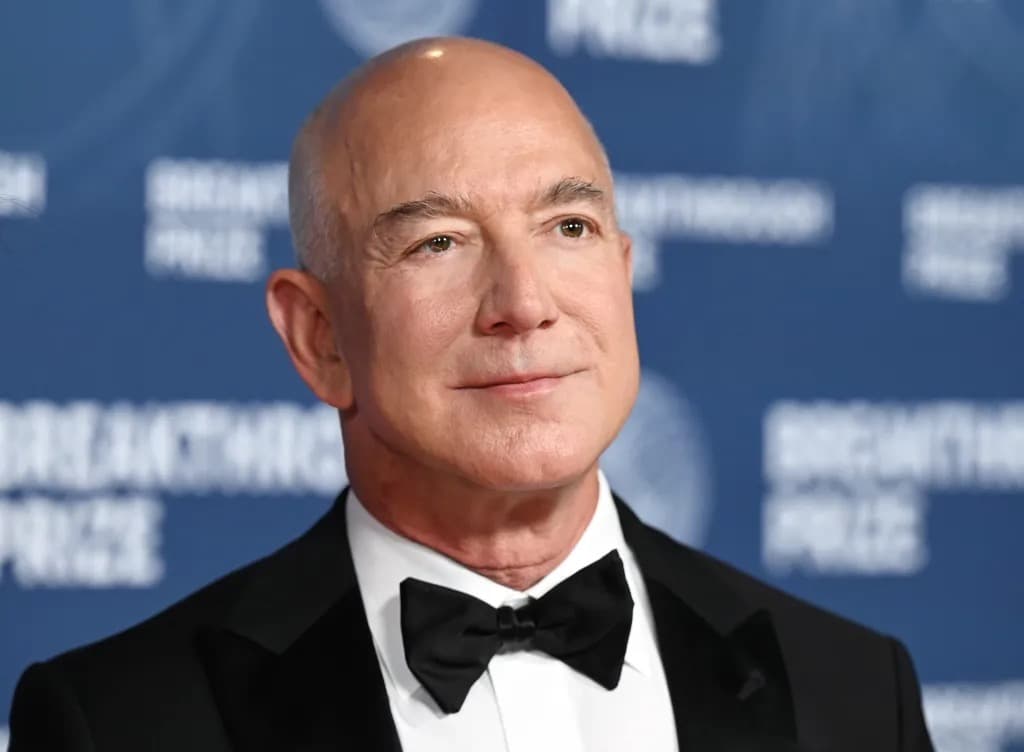
Jeff Bezos remains among the most prominent names in the group, with a net worth of $282 billion and a recent move into sports ownership: an approximately 40% stake in Premier League club Liverpool FC. He's far from alone. Roughly 201 billionaires, about 5% of the total, now hold stakes in sports teams, a category of investment that has grown 13.3% annually over the past decade as media rights deals and streaming revenue have pushed franchise values higher. Beyond Bezos, the list includes Elon Musk and Larry Page, alongside sports-focused owners like Steve Ballmer, who owns the LA Clippers, Robert Kraft of the New England Patriots, and Dan Gilbert, owner of the Cleveland Cavaliers.
Sports, and then philanthropy
Owning a high-profile sports franchise functions as more than an investment for many billionaires. It's also a visible marker of status and a way into influential social and business networks. Philanthropy remains the other major outlet for billionaire wealth: Ballmer has donated $8 billion to charitable causes, Kraft has contributed more than $1 billion, and Gilbert has poured hundreds of millions into revitalizing Detroit. Between the two, sports and giving have become the clearest signals of how the ultra-wealthy choose to deploy fortunes once their core businesses have already made them rich.