
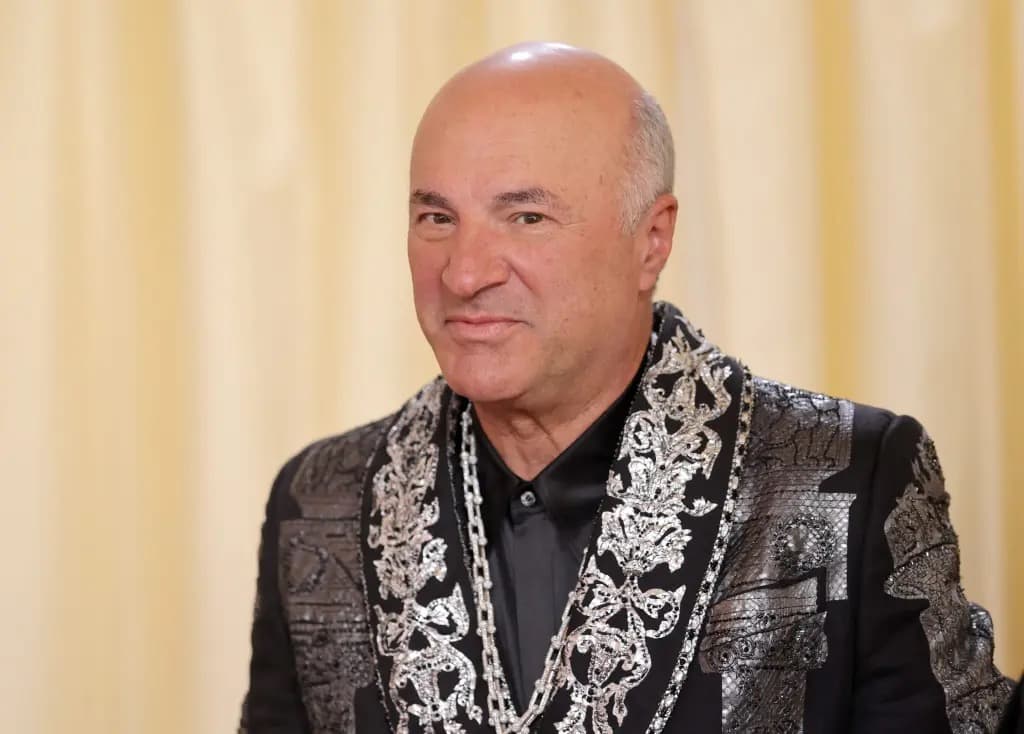
Kevin O'Leary's retirement formula is simple to state: invest 15% of every source of income directly into the market, and let time do the work. "Don't spend it. Save it. Invest it. Let it compound," he has said, framing the discipline itself as the hardest part of the strategy, not the math behind it.
Running the numbers on an average salary
Applied to a $68,000 salary, the 15% rule works out to $10,200 a year, or about $850 a month, invested consistently over a 40-year career from age 25 to 65. Using the S&P 500's historical average return of roughly 10%, that pace of saving grows to approximately $5.3 million by retirement. Even a more conservative 7% annual return still lands around $2.2 million, comfortably clearing millionaire status either way. O'Leary's underlying advice is blunt: "Don't buy stuff you don't need. Invest it instead."
Where the math meets reality
The harder question is whether most earners can actually hit that 15% mark. After taxes, a $68,000 salary typically leaves $52,000 to $54,000 in take-home pay, and common monthly costs like rent (around $1,740), groceries ($400), student loan payments ($434) and utilities ($300) eat up most of what's left, leaving little room for the recommended contribution rate. O'Leary's approach echoes long-standing advice from Warren Buffett on index investing and Suze Orman's recommendation to save at least 10% of income annually, but it runs up against a stark statistic: the average American currently saves just 4.4% of disposable income, well short of the rate the math actually requires.